Civil Defense Water Tanks Firefighting water tanks
Imagine a fire breaking out in a facility, only for the team to discover at that critical moment that the civil defense water tank capacity is insufficient, its design does not match the protection system, or its equipment fails to meet project requirements.
In such cases, the problem goes beyond merely replacing the tank; it often leads to extra costs, implementation delays, and risks that could have been easily avoided with the right choice from the start.
This article covers everything you need to know about civil defense water tanks—from their importance and the types suitable for buildings and facilities, to system components, capacity calculation, essential specifications, material standards, and choosing the right supplier for contracting and projects in Egypt.
What Are Civil Defense Water Tanks?
Civil defense water tanks are a single tank or a network of interconnected tanks designed to provide a dedicated water reserve for firefighting inside facilities during emergencies.
These tanks serve as an integral part of the fire protection system, ensuring a reliable water supply when needed most.
At Poly Tank, you can consult with our specialist technical team before purchasing to determine the ideal capacity and design based on your facility's layout and protection system requirements.
The Importance of Civil Defense Water Tanks in Fire Protection
The primary importance of civil defense tanks lies in providing a water reserve that keeps fire protection systems operational during supply interruptions or low water pressure.
Key benefits include:
- Emergency Water Supply: Provides a reliable water source when public municipal networks are inadequate or unstable.
- Supporting Firefighting Systems: Feeds various protection systems such as sprinklers, fire mains, and hose hydrant points.
- System Readiness: Maintains the required water volume for the duration specified by the fire system design and facility needs.
- Integrated Protection Ecosystem: Works in synergy with fire pumps, distribution networks, control systems, and alarms.
Fire tank types and specifications vary according to the facility type and protection system used, making careful selection crucial for every project.
Civil Defense Water Tanks: Project Selection Guide
Choosing the right civil defense tank starts with understanding facility needs, the fire protection system, and installation site conditions before finalizing the product.
Key selection criteria include:
- Nature of the Project: Determine whether the tank is for a factory, warehouse, administrative building, or commercial facility, as requirements vary.
- Protection System Requirements: The tank must align with connected fire systems like sprinklers or hydrants per project design.
- Required Capacity: Avoid random sizing; capacity must match firefighting demand and required operational duration.
- Site Conditions: Review available space, site access, and foundation preparations before approving the design.
- Suitable Material: Choose manufacturing materials that offer required durability, weather resistance, and usage compatibility.
- Maintenance & Inspection: Access hatches, level indicators, and proper fittings facilitate routine checks and maintain readiness.
- System Compatibility: The design must allow seamless connection to pumps, piping, and fire protection fittings.
- Project & Regulatory Standards: Review specifications with consultants and relevant authorities prior to manufacturing to avoid future modifications.
At Poly Tank, we translate these requirements into clear choices tailored to your project. Simply share your project details, and let us base your civil defense tank selection on real needs and thoughtful design.
Types of Fire Tanks Suitable for Buildings and Facilities
Fire tank types vary by manufacturing material and installation method, chosen to match project requirements and site conditions:
- Polyethylene Tanks: Practical solutions for water storage where technical requirements allow. They feature lightweight construction, corrosion resistance, and easy transport and installation compared to alternatives.
- Bolted Steel Tanks: Used in projects requiring on-site assembly, especially when panel transport and setup logistics are critical.
- Welded Steel Tanks: Suited for large-scale projects requiring high capacities or custom structural designs.
- Concrete Fire Tanks: Used for permanent installations, built either underground or semi-buried based on structural layout.
- Fiberglass Reinforced Plastic (FRP) Tanks: Highly corrosion-resistant, ideal for humid environments or chemical exposure sites.
For projects utilizing polyethylene tanks, selecting the correct material, design, capacity, and fittings remains tied to system requirements. PolyTank offers various polyethylene designs and capacities to meet diverse project needs.
Essential Components of a Civil Defense Water System
These components work together to maintain tank readiness and deliver water to fire systems on demand:
- Vortex Plate: Installed in front of the suction outlet to prevent air-entraining vortices that could enter the suction line and impair pump performance.
- Overflow Pipe: Discharges excess water when levels rise, protecting the tank structure during refilling.
- Float Valves: Control water intake to maintain desired levels without overfilling.
- Water Level Indicator: Allows easy monitoring of stored water for ongoing readiness and safety checks.
- Freeze Protection System: Utilized in low-temperature environments to protect water and equipment from freezing.
At Poly Tank, we help you review required accessories and select equipment suited to your project and protection system.
Poly Tank Advantages in Civil Defense Tank Manufacturing
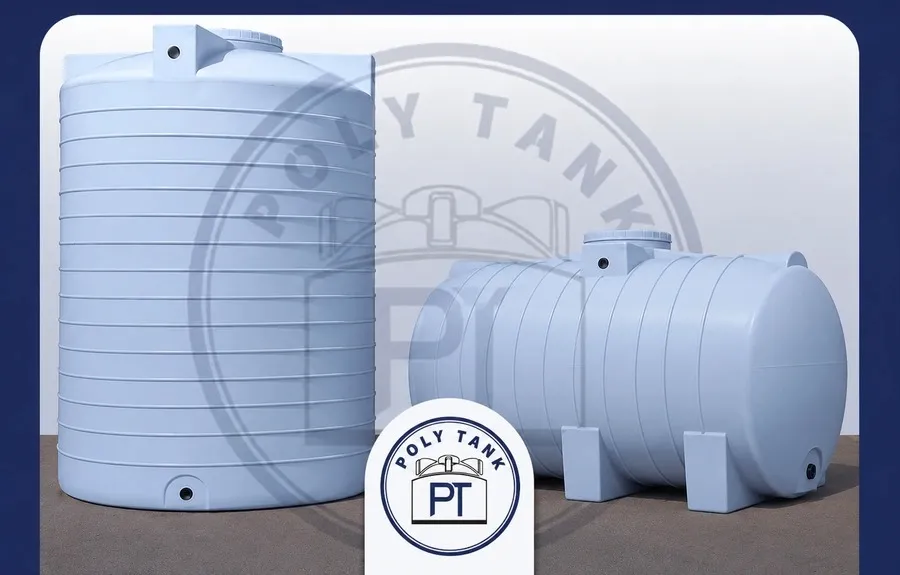
Poly Tank civil defense tanks combine seamless molding, multi-layer protection, weather resistance, and ease of installation and maintenance.
Key advantages include:
- Seamless Manufacturing: Produces a uniform tank without welds or weak points, featuring consistent wall thickness for enhanced durability.
- Triple-Layer Protection: An outer layer reflecting heat, a middle layer blocking light, and a smooth inner layer easing cleaning.
- Weather Resistance: Withstands sun exposure, heat, impacts, and corrosion, making it ideal for outdoor sites.
- Lightweight Design: Easier to transport, lift, and install compared to metal or concrete alternatives.
- Easier Maintenance: Smooth, non-porous interior surfaces minimize sediment buildup and simplify cleaning.
- Original Brass Fittings: Factory-fitted connection points ensure secure hookups and eliminate the need for random body drilling.
- Chemical Resistance: Material provides resistance to various chemicals depending on usage.
- Extended Warranty: Up to 10 years warranty against manufacturing defects on vertical tanks (subject to terms).
- Quality Certifications: Poly Tank products comply with international standards and hold certifications from the National Research Centre and Ministry of Health.
How to Determine the Proper Fire Water Tank Capacity
Capacity is determined by fire system demands, required supply duration, and facility type—not by a standard fixed size. Key factors include:
- Facility Nature: Factories, warehouses, offices, and commercial sites have distinct usage patterns and protection levels.
- Connected Systems: Accounts for sprinklers and fire networks fed by the tank per project design.
- Required Duration: Supply duration varies by facility type, protection system, and regulatory standards.
- Installation Site: Available space, installation method, foundation prep, and dimensions dictate sizing.
- Regulatory Requirements: Final capacity must be approved based on system design calculations and consultant sign-off.
Civil Defense Tank vs. Fire Water Tank: What's the Difference?
Both terms generally refer to tanks dedicated to storing firefighting water within a protection system.
There is no functional difference; names vary by context or agency, while the core purpose remains fighting fires. Standards like NFPA 22 (Standard for Water Tanks for Private Fire Protection) serve as key references. Focus on protection system requirements, project design, capacity, and fittings rather than nomenclature.
Underground vs. Elevated Fire Tanks: Which is Best?
No single type is universally superior; selection depends on project design, site space, and structural requirements.
|
Comparison Factor |
Underground Tanks |
Elevated Tanks |
|
Installation Site |
Built below or at ground level, covered by soil or concrete per design. |
Installed on rooftops or elevated structural platforms. |
|
Space Utilization |
Requires ground footprint but keeps rooftops clear. |
Saves ground space but occupies structural height. |
|
Structural Loads |
Adds no direct weight to the building frame when on an independent pad. |
Requires verifying roof or structure load-bearing capacity. |
|
Weather Exposure |
Less direct exposure to sun and wind if sheltered or underground. |
Exposed to sun, heat, and weather, requiring site consideration. |
|
Maintenance & Access |
Relatively accessible if properly equipped with inspection hatches. |
Requires safe access provisions for inspection and cleaning. |
|
Cost & Execution |
May require excavation, structural pads, and dedicated land space. |
Reduces ground civil works but requires elevated structural planning. |
Top 5 Criteria for Choosing Tank Materials
- Engineering Compliance: Material must meet tank design standards and approved project codes.
- Load Bearing: Must withstand water weight and environmental loads like wind.
- Corrosion Resistance: Essential in humid, coastal, or industrial locations.
- Site Suitability: Material must align with underground, surface, or elevated installation methods.
- Lifespan & Maintenance: Good materials maintain performance while simplifying inspection and long-term upkeep.
Fire Tank Accessories: Vents, Connections, and Level Gauges
- Vent Pipe: Allows air entry and exit during filling and draining, preventing pressure buildup.
- Overflow Pipe: Discharges excess water and protects against overfilling.
- Inlet & Outlet Connections: Links the tank to water supplies and suction networks, sized per design.
- Valves: Enable flow control and tank isolation during inspection or maintenance.
- Water Level Indicator: Tracks stored water volume to ensure availability.
- Leak Testing: Post-installation testing ensures integrity before commissioning.
Specifications to Review Before Purchase
- Actual Capacity: Ensure available water volume meets system requirements, not just nominal labels.
- Structural Suitability: Verify the tank design matches site loads and weather exposure.
- Dimensions & Access: Check diameter, height, and access routes prior to delivery.
- Fittings Compatibility: Confirm suction, fill, overflow, and vent connections match system design.
- Documentation & Warranty: Request clear specs on material, capacity, and manufacturer support terms.
Supplying Civil Defense Tanks for Contracting and Projects in Egypt
Poly Tank provides civil defense water tanks for contracting and industrial projects across Egypt, delivering customized water storage solutions.
Whether you are managing a new project or equipping an existing facility, contact us to order the right tank, specify quantities, and confirm technical requirements prior to delivery.
Why Choose Poly Tank?
- Extensive Manufacturing Experience: Producing polyethylene tanks since 2011 with specialized industrial tank expertise.
- Direct Manufacturing: Source directly from the manufacturer for transparent specs and pricing.
- Diverse Models: Wide variety of designs and capacities for different applications.
- High Production Capacity: Producing over 40 tanks daily to support large project orders.
- Contractor Solutions: Trusted partnerships across construction, industrial, and agricultural sectors.
- Accessory Innovation: Pioneer in introducing original brass fittings into tank ports to ease installation and extend lifespan.
- Wide Supply Network: Backed by agents and distributors reaching diverse regions.
- Specialized Support: Expert guidance to help you find the ideal storage solution.
Poly Tank was able to leverage its specialized expertise in the manufacturing and supply of tanks for these projects.
Ultimately, Civil Defense requirements are tied to your facility's readiness; therefore, the chosen solution must balance capacity with full compliance with fire protection regulations. It is advisable to carefully review these specifications before purchasing, keeping in mind that while the initial choice is made early, adjustments can still be accommodated during the implementation phase.
Are you preparing a project that requires a fire water tank? Contact the Poly Tank team today and share your project details; we will help you select the tank and specifications best suited to your needs.